
When I’m working with clients on their websites – especially those in high‑trust industries like physiotherapy, law, real estate, or healthcare, one question comes up again and again:
“Should we have a dedicated FAQ page, or should we just answer questions throughout the site?”
Here’s the truth:
You can do both… but if you skip the standalone FAQ page, you’re leaving SEO opportunities (and client clarity) on the table.
Let’s break down why.

- People Search Google Using Questions – So Give Google Questions to Pull From
When someone is looking for a physiotherapist, they don’t type:
“physiotherapy services London Ontario”
They type things like:
- “Do I need a referral for physiotherapy?”
- “How long is a physio appointment?”
- “Does physio help with chronic back pain?”
- “What should I wear to physiotherapy?”
Google LOVES question‑based content because it mirrors how humans search.
A dedicated FAQ page gives Google a clean, structured list of questions and answers it can easily understand, index, and pull into search results. When your questions match the questions people are typing, you increase your chances of:
- Appearing in featured snippets
- Showing up in “People Also Ask”
- Ranking for long‑tail keywords
- Reducing bounce rate because people find what they need faster
When FAQs are scattered across multiple pages, Google has to interpret what’s a question, what’s an answer, and whether it’s relevant. A standalone page removes the guesswork.
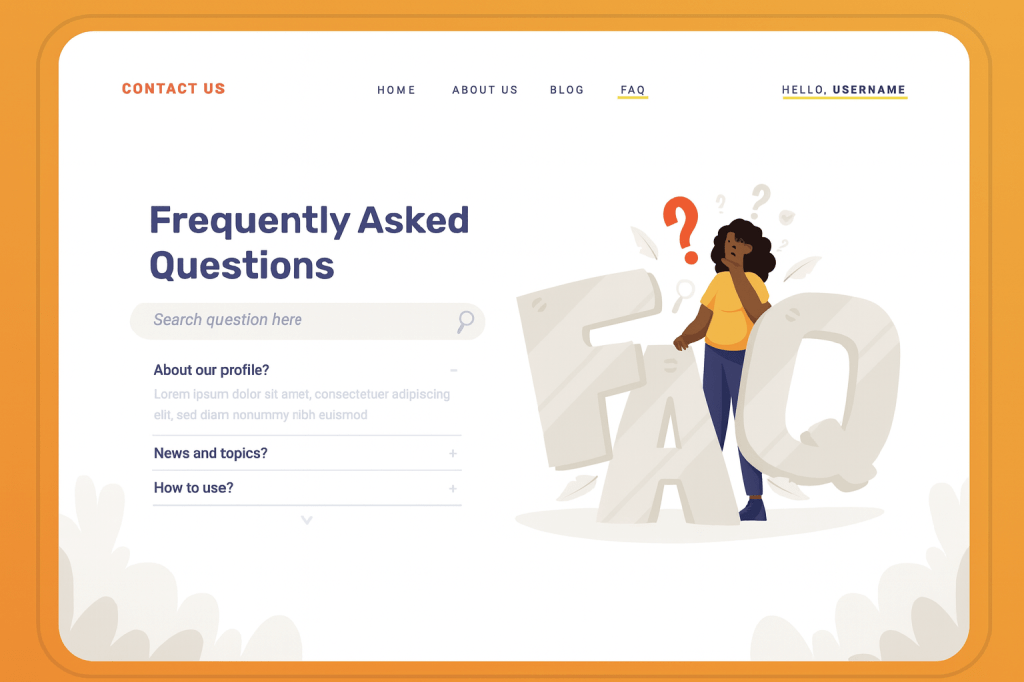
- A Dedicated FAQ Page Reduces Friction for Nervous or First-Time Clients
Especially in healthcare and wellness, people often feel unsure, embarrassed, or overwhelmed. They want answers quickly, without digging.
A standalone FAQ page:
- Centralizes reassurance
- Reduces decision fatigue
- Builds trust
- Helps clients feel prepared before booking
Many clients don’t know what to expect, and uncertainty is one of the biggest barriers to booking.

- It Supports Accessibility and User Experience
Not everyone navigates websites the same way.
A clearly labeled FAQ page:
- Helps neurodivergent users find information quickly
- Supports screen readers
- Makes the site easier to navigate
- Reduces the number of clicks needed to get answers
This is especially important for service providers who want to be inclusive and client‑centered.

- It Reduces Repetitive Questions for the Business Owner
A good FAQ page becomes a customer service tool.
When clients can self‑serve answers, the business owner gets fewer:
- “Do you take insurance?”
- “How do I book?”
- “What’s your cancellation policy?”
- “Do you treat X condition?”
This frees up time, reduces inbox overwhelm, and creates a smoother onboarding experience.

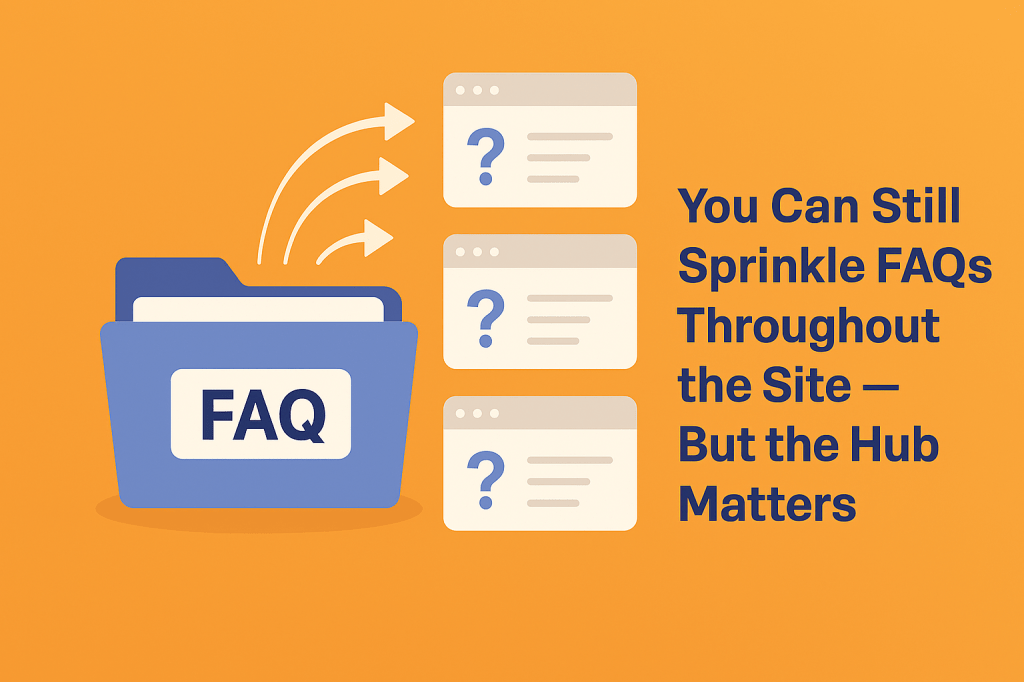
- You Can Still Sprinkle FAQs Throughout the Site – But the Hub Matters
Think of your FAQ page as the home base.
Then, throughout the site, you can:
- Pull individual FAQs into relevant service pages
- Expand on answers in blog posts
- Add micro‑FAQs to booking or contact pages
This layered approach strengthens SEO and improves user experience without sacrificing structure.
So… Should You Have a Dedicated FAQ Page?
If you’re a service-based business – especially in healthcare, wellness, or any high‑trust field – the answer is yes.
It’s not just an SEO play.
It’s not just a UX play.
It’s not just a client‑education play.
It’s all three.
And when those three work together, your website becomes a tool that attracts, informs, and converts with ease.
 Michelle Moses | Social Media Management For Small Businesses
Leave a comment