AI tools are everywhere right now, and if you run a small business or you are a solopreneur, you have probably felt the pressure to “keep up” with every new platform that pops up. Part of my job as a content strategist is to test these tools, break them down, and help you understand what is actually useful, what is ethical, and what is worth your time.
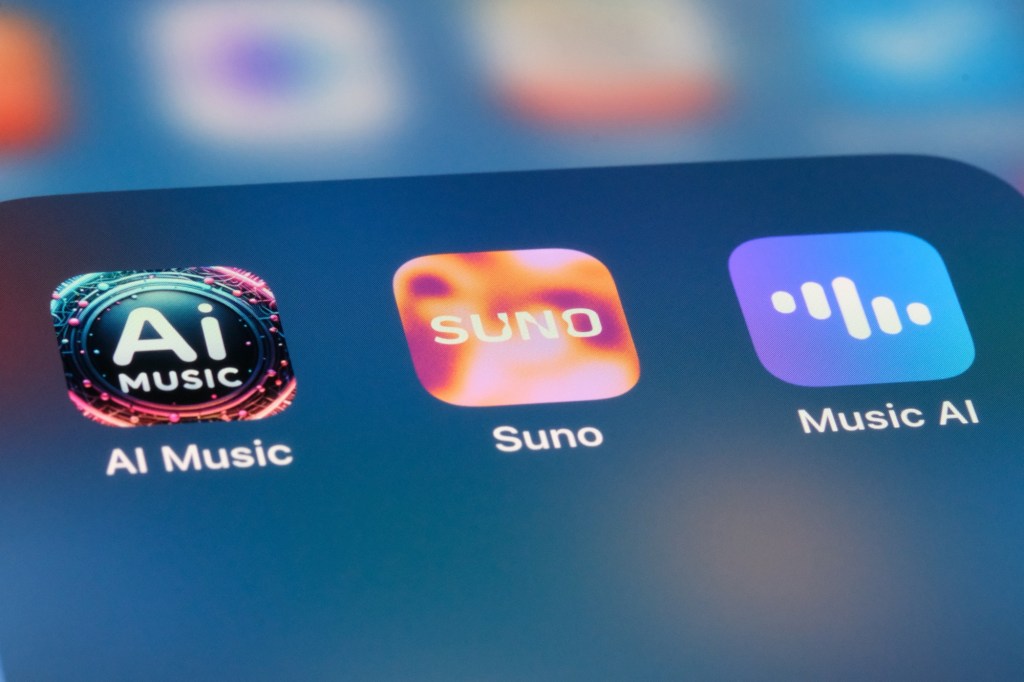
Recently, a new trend took over TikTok and Instagram. Creators were using Suno, an AI music generator that can produce full songs from a simple text prompt. It is fast, it is catchy, and it is undeniably impressive. So I tested it once to understand how it works and whether it has a place in the content toolkit for small business owners.
And here is the honest answer: the technology is interesting, but the ethics are complicated.
What Suno Is and Why It Blew Up
Suno is an AI platform that creates original songs based on your prompts. You type in a theme, a mood, or a story, and it generates lyrics, vocals, and music in seconds. It is easy to use, and it fits perfectly into the current trend of pairing text message style videos with custom audio.
For creators, it feels like a shortcut.
For businesses, it looks like a way to stand out.
For the music industry, it has raised serious concerns.
The Ethical Concerns You Should Know About
Suno is currently facing legal and industry scrutiny for several reasons:
1. Training Data Transparency
There is no clear public information about what music the model was trained on. Without transparency, it is impossible to know whether copyrighted work was used without permission.
2. Artist Likeness and Style Mimicry
AI models can unintentionally reproduce patterns from the data they were trained on. This means Suno can generate songs that sound very similar to real artists, which raises questions about consent and compensation.
3. Impact on the Creative Economy
When AI‑generated music floods platforms, it can dilute royalty pools and reduce visibility for human artists. This is a major concern for musicians, producers, and songwriters.
These issues do not make Suno “evil,” but they do mean the platform is not ethically neutral. As creators and business owners, we need to understand the implications before using tools like this.
Why I Used It Once and Why I Will Not Use It Again
I tested Suno for the same reason I tested Sora and other AI tools. My goal is to understand what these platforms do so I can educate my clients and my audience. I used it once to create a post that explains the ethical concerns and to show how the trend works.
But I will not be using it again.
Here is why:
• My clients are not content creators. They are business owners who need sustainable, ethical, brand‑aligned content.
• I believe in using platform licensed music that supports artists.
• I do not want to contribute to a system that may be using creative work without consent.
• I want to model responsible digital literacy, not shortcuts that compromise creators.
Testing a tool is not the same as adopting it. Transparency matters.
What I Recommend for Small Business Owners
If you want to participate in trending audio formats, you absolutely can. You do not need Suno to do it. Here are better options:
• Use licensed music directly from TikTok or Instagram.
• Choose trending sounds that align with your brand.
• Focus on storytelling, not shortcuts.
• Keep your content human, relatable, and rooted in your values.
Trends come and go. Your brand voice stays.
Final Thoughts
AI is not going anywhere, and neither are the ethical questions that come with it. My goal is to help you navigate these tools with clarity, confidence, and integrity. Suno is a great example of why we need to stay informed, not just excited.
If you want to stay updated on the next tool I test, make sure you follow along. The digital world moves fast, but you do not have to navigate it alone.
 Michelle Moses | Social Media Management For Small Businesses
Leave a comment